Mobility Matters: Celebrating Mobility Awareness Month
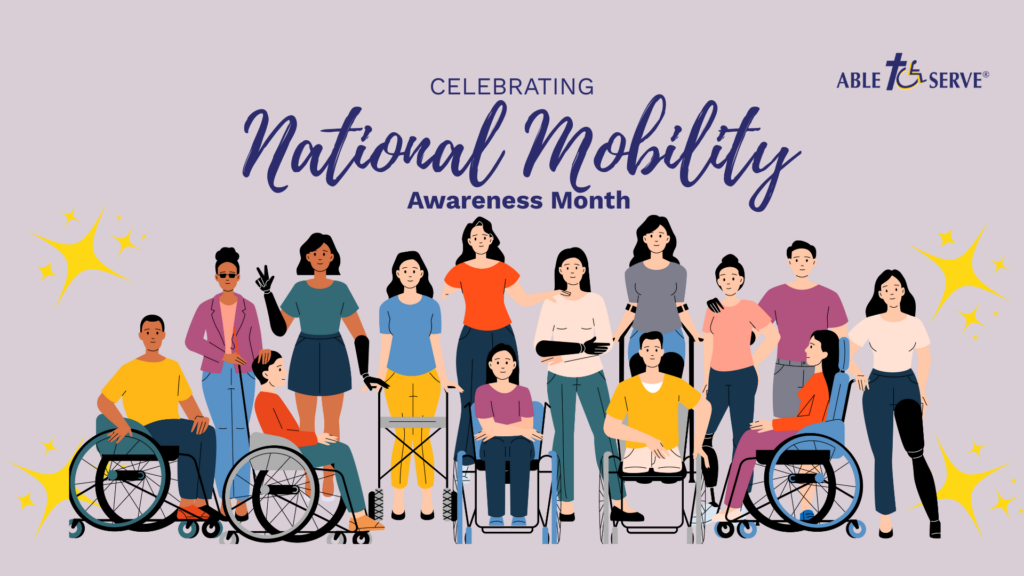
May marks Mobility Awareness Month, a crucial time dedicated to recognizing the experiences of millions of Americans living with mobility limitations. This annual observance provides an opportunity to highlight challenges faced by people with mobility disabilities, celebrate their achievements, and work collectively toward creating a more inclusive society where everyone can thrive.
The Power of Mobility: More Than Just Movement
Mobility is fundamental to human independence and dignity. For the 61 million Americans living with disabilities—approximately 13.7% with mobility disabilities—access to proper mobility solutions directly impacts quality of life. Mobility isn’t just about physical movement; it’s about:
- Health and wellness: Regular movement and exercise reduce chronic health conditions and improve mental health
- Community connection: The ability to navigate environments allows participation in social, cultural, and recreational activities
- Independence: Self-sufficiency in daily activities builds confidence and self-esteem
- Economic opportunity: Access to education and employment depends on reliable transportation and accessible environments
Understanding the Challenges
Despite legal protections like the Americans with Disabilities Act (ADA), people with mobility limitations continue to face significant barriers:
- Funding gaps: 31% of Americans with disabilities report difficulty affording necessary mobility equipment
- Insurance limitations: Many insurance plans provide inadequate coverage for mobility devices, with Medicare covering only 80% of the cost of power wheelchairs and often denying coverage for devices deemed “not medically necessary”
- Transportation barriers: Nearly 20% of people with disabilities report inadequate transportation as a significant obstacle to employment
- Architectural obstacles: Despite ADA requirements, 70% of buildings still present accessibility challenges
- Social stigma: Attitudes and misconceptions continue to marginalize people with mobility disabilities
These barriers create ripple effects across all aspects of life. People with mobility disabilities have unemployment rates nearly twice the national average and are three times more likely to experience difficulties accessing healthcare.
Living Active, Mobile Lives
Despite these challenges, individuals with mobility disabilities lead rich, active lives when provided with appropriate support and accommodations. Adaptive sports programs, assistive technologies, and universal design principles are expanding possibilities for full participation.
Technological innovations like all-terrain wheelchairs, exoskeletons, and smart home devices are revolutionizing mobility options. Meanwhile, communities implementing universal design principles demonstrate how thoughtful planning benefits everyone—not just those with disabilities.
How You Can Support Mobility Awareness Month
Everyone can contribute to creating a more accessible world:
- Educate yourself: Learn about the experiences of people with mobility disabilities through books, documentaries, and direct conversations
- Advocate: Support policies promoting accessible transportation, affordable healthcare, and inclusive community design
- Volunteer: Offer time to organizations serving people with mobility challenges
- Be inclusive: Plan events in accessible locations and consider mobility needs in your workplace and community
- Examine your language: Use person-first language and respectful terminology when discussing disability
Local Resources in Wake and Johnston Counties
Residents of Wake and Johnston Counties in North Carolina have access to several valuable resources:
Wake County
- Alliance of Disability Advocates: Provides peer support, independent living skills training, and advocacy services
- Wake County Transportation Services: Offers specialized transportation for seniors and people with disabilities
- Raleigh Parks, Recreation and Cultural Resources Accessibility Program: Provides adaptive recreation opportunities and inclusive programming
- The Adaptables: Offers wheelchair repairs, modifications, and access to assistive devices
Johnston County
- Johnston County Disability Advocacy Committee: Advocates for the rights and needs of residents with disabilities
- Johnston County Area Transit System (JCATS): Provides transportation services for people with disabilities
- Johnston County Independent Living Program: Offers skills training, peer support, and resource referrals
- Easter Seals UCP North Carolina: Provides services and support for individuals with disabilities
Able to Serve: A Beacon of Support in Our Community
We, Able to Serve, is making a remarkable difference in the lives of individuals with mobility disabilities is Able to Serve. Based in the Wake and Johnston County area, we provide comprehensive support and innovative programming designed to foster independence, community engagement, and personal growth.
How Able to Serve Makes a Difference
Able to Serve offers a program specifically designed to address the needs of those with mobility disabilities:
- Accessible Transportation Services: Removing a critical barrier by providing reliable transportation including a wheelchair accessible mini-bus so everyone can participate in program activities during the day.
- Life Skills Development: Customized programs teaching essential skills for greater independence in daily living
- Adaptive Recreation Programs: Inclusive physical activities modified to accommodate various mobility needs, promoting health and social connection
- Peer Support Groups: Creating spaces where individuals can share experiences, challenges, and successes with others who understand their journey
- Community Integration Initiatives: Organized outings and volunteer opportunities that connect participants with the broader community
Able to Serve’s facility is fully accessible, featuring wide doorways, ramps, accessible restrooms, and specialized equipment to ensure that physical barriers don’t limit participation. Our trained staff understand the unique challenges faced by people with mobility disabilities and work diligently to create a welcoming, supportive environment where everyone can thrive.
Through our holistic approach, Able to Serve not only addresses practical needs but also fosters dignity, purpose, and connection—essential elements of wellbeing that go beyond physical mobility.
Moving Forward Together
Mobility Awareness Month reminds us that creating an inclusive society requires ongoing commitment from everyone. By understanding the challenges faced by people with mobility limitations and working together on solutions, we can build communities where everyone has the opportunity to participate fully.
This May, let’s recognize the importance of mobility, celebrate the achievements of people with disabilities, and recommit to creating a world where everyone can move freely and with dignity.
Remember: mobility matters not just in May, but every day of the year.